WhatsApp is widely used around the world, yet many users are surprised when their accounts get banned with little or no warning. While phone numbers play a role, most WhatsApp bans are actually caused by how an account is used after registration.
This guide explains why WhatsApp bans accounts, what behaviors trigger suspensions, and how you can reduce the risk of losing access.
WhatsApp Focuses on Behavior, Not Just Registration
Successfully registering a WhatsApp account doesn’t mean it’s safe forever.
WhatsApp continuously evaluates:
- Messaging patterns
- How fast activity increases
- How other users react to messages
- Whether actions look natural or automated
In most cases, bans are triggered after registration due to behavior that appears suspicious or unwanted.
The First Few Days Are the Most Sensitive
New WhatsApp accounts are closely monitored.
Common high-risk actions include:
- Sending many messages immediately
- Contacting people who don’t have you saved
- Joining multiple groups right away
- Making frequent profile changes
WhatsApp expects new accounts to start slowly. Sudden or aggressive activity can raise red flags quickly.
User Reports and Blocks Play a Big Role
WhatsApp pays close attention to user feedback.
If people:
- Block your account
- Report your messages as spam
Your account risk increases significantly — especially if it’s new.
Even a small number of reports can lead to a suspension if WhatsApp detects additional warning signs.
Repetitive Messages Often Trigger Spam Detection
You don’t need to send thousands of messages to get flagged.
Spam detection can be triggered by:
- Sending the same message repeatedly
- Sharing identical links with multiple users
- Copy-paste promotional content
To reduce risk, keep messages natural, vary wording, and avoid mass outreach.
Device, Network, and Login Patterns Matter
Beyond messages, WhatsApp also monitors technical behavior.
Higher-risk patterns include:
- Logging in from different locations in a short time
- Frequently switching devices
- Reinstalling WhatsApp multiple times
- Using unstable or shared networks
While one factor alone may not cause a ban, multiple unusual signals combined can.
Phone Numbers Can Increase Risk — But Aren’t the Only Cause
Phone numbers do matter, especially if they:
- Were previously banned
- Are recycled or shared
- Have a history of abuse
However, many WhatsApp accounts using valid numbers are still banned due to poor usage behavior.
In most cases, how you act matters more than the number itself.
How to Reduce the Risk of a WhatsApp Ban
Here are practical habits that help keep accounts stable:
- Start with normal, personal conversations
- Avoid links and promotions early on
- Space out messages naturally
- Enable two-step verification
- Keep usage consistent and human
Treat new accounts gently and avoid rushing activity.
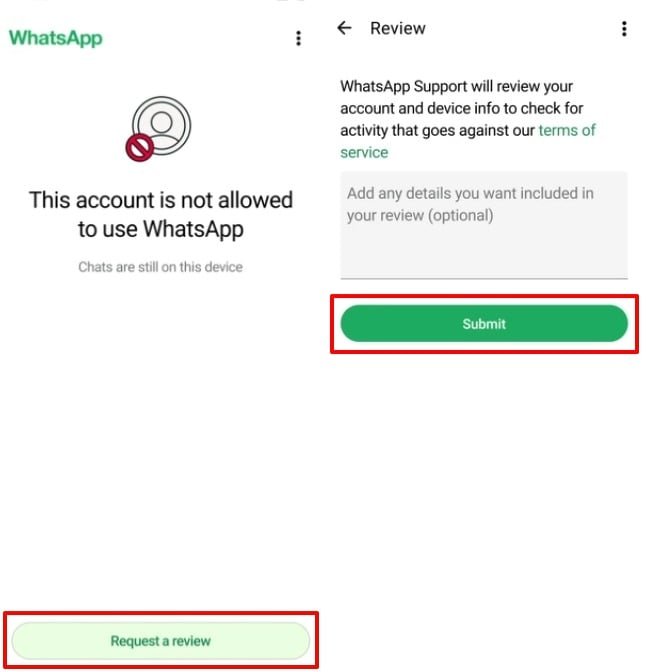
What to Do If Your WhatsApp Account Is Banned
If your account is suspended:
- Open WhatsApp
- Select Request a review
- Explain your situation clearly and politely
- Avoid sending multiple appeals
Some bans are temporary, others permanent. Recovery is not guaranteed, especially for repeated violations.
Final Thoughts
WhatsApp bans are rarely random. They are usually triggered by spam-like behavior, user reports, automation, or unusual activity patterns.
Understanding how WhatsApp evaluates accounts — and adjusting your behavior accordingly — is the most effective way to avoid suspension.
